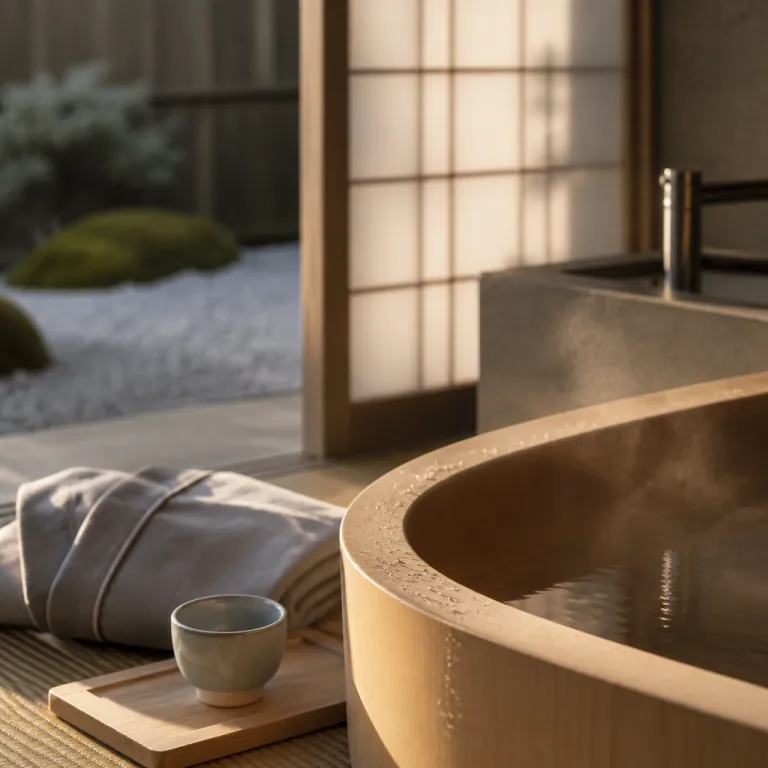
Why adults-only in Japan feels different from the Caribbean
Adults only hotels in Japan rarely advertise themselves with loud signage or wristbands. The adults only hotels Japan ryokan onsen experience is instead coded into silence, ritual, and the way a host slides open a shoji door and leaves you alone with the sound of onsen water. For many international travelers, that first stay in a traditional ryokan or a modern adults only hotel becomes the benchmark for what genuine quiet can feel like.
In Japan, the adults only promise is often delivered through architecture and etiquette rather than rules posted at the pool. A classic ryokan in Hakone or an adults only onsen ryokan in Kurokawa will use tatami rooms, low lighting, and carefully timed kaiseki dinners to create a naturally adult rhythm to your stay. Even when a hotel does not formally state that it is for adults only, the tone of the public onsen baths and the pace of service make it clear that this is a place for slow conversations, not splash time.
Properties such as Kinnotake Sengokuhara and Hatsuhana Hakone in the Hakone hot spring region lean into this discreet adults only positioning. These hotels combine private onsen baths with rooms private enough that you can leave the sliding doors open to the night air without feeling overlooked. In Tokyo, Hoshinoya Tokyo translates the ryokan private ethos into a vertical city hotel, where each onsen room floor has its own lounge and the rooftop open air onsen feels worlds away from the financial district below.
Traditional ryokan stays: where adults-only serenity comes naturally
A ryokan is a traditional Japanese inn built around tatami rooms, seasonal cuisine, and hot spring baths. In practice, many of the most refined ryokan stays function as adults only hotels Japan ryokan onsen experiences, even when the age policy is not explicitly restricted. The formality of kaiseki dinners, the quiet of the corridors, and the presence of both public onsen and private onsen spaces naturally attract couples and solo travelers rather than families.
In Hakone, KAI Hakone and Gora Kadan show two faces of this world, both ideal for an adults only stay. KAI Hakone sits above the river with open air baths that frame the forest, while Gora Kadan offers an onsen room category where the hot spring water flows directly into a stone tub on your terrace. Many rooms private at Gora Kadan and Beniya Mukayu in Ishikawa feature private open air onsen baths, turning your room into a self contained spa suite.
For travelers watching their budget, adults only does not always mean four figure rates. Japan’s weak yen has opened up more mid range options, and you can now pair a night in a classic onsen ryokan with a night in a design forward hotel that feels luxurious without excess ; guides to mid range adults only hotels help you calibrate where to splurge. When you check availability, pay attention to whether dinner and breakfast are included, because a full board ryokan private stay can offer better value than a cheaper room only hotel once you factor in kaiseki dining.
The onsen ritual: public baths, private pools, and etiquette that shapes the mood
Onsen culture is the quiet engine behind the adults only hotels Japan ryokan onsen experience. An onsen is a hot spring bath fed by mineral rich spring water, and the way Japanese travelers move through these spaces sets the tone for everyone else. Silence, slow movements, and a shared respect for the hot spring itself make even a busy public onsen feel contemplative rather than chaotic.
Most traditional ryokan hotels in Japan offer both public onsen baths and some form of private onsen access. Public baths are usually separated by gender, with indoor pools and open air baths that change with the seasons, while private open air onsen rooms can be reserved by the hour or attached directly to your room private terrace. When you book, check whether the property offers an onsen room category, because these rooms private with air onsen tubs allow you to bathe together as a couple, which is not possible in gender separated public spaces.
For some travelers, the etiquette can feel intimidating at first, especially around nudity and washing before entering the hot water. The core rules are simple ; shower thoroughly before you step into any onsen baths, keep your towel out of the water, and speak softly so others can relax. If you are curious about more liberated experiences after mastering Japanese onsen etiquette, you might later explore a very different adults only world such as a clothing optional hotel stay, but in Japan the focus remains on ritual, not exhibitionism.
Hidden gem regions: from Hakone to Hokkaido and the islands
Most first timers focus on Hakone and Kyoto, yet the adults only hotels Japan ryokan onsen map stretches far beyond the Golden Route. In Hokkaido, volcanic landscapes and deep snow create a dramatic backdrop for onsen ryokan retreats where the air baths steam in sub zero temperatures. An adults only stay in Hokkaido often means soaking in an outdoor hot spring while snow falls on the rocks around you.
Further south, IKI RETREAT by Onko Chishin on Iki Island and Hozantei in Kurokawa Spa show how remote locations amplify the adults only mood. These ryokan private properties lean into isolation, with rooms private enough that the only sound at night is the wind and the distant river. Okunikko Yunomori in Nikko and Ryokan Hatago Konokura in Yufu follow a similar pattern, using small room counts and carefully designed open air onsen decks to keep the atmosphere intimate.
Even in more visited regions, you can still find adults only style serenity if you know where to look and how to time your booking. Kinosaki Onsen Hanakouji Saigetsu in Kinosaki Onsen and Ryokan Minato no Yado Migiwaya in Shizuoka both operate as adults only ryokan, with spring baths that draw mostly couples and solo travelers. If you are planning a last minute escape during peak season, tools like curated last minute adults only hotel lists, such as what is still available and where, can help you check availability quickly before rooms disappear.
Modern design retreats: when Japanese minimalism meets adult quiet
Not every adults only hotels Japan ryokan onsen experience involves tatami and sliding doors. A new wave of modern design hotels across Japan borrows the calm of the ryokan private world and translates it into concrete, glass, and sculptural timber. These properties appeal to travelers who want the onsen water and the silence, but also want clean lines, contemporary art, and a bar that stays open late.
Hoshinoya Tokyo is the clearest example, a modern ryokan hotel stacked vertically in the city, where each floor functions like a small inn with its own lounge and tea service. The rooftop open air onsen sits under the sky, with hot spring water piped up from deep below the city, and the rooms private enough that you can pad from your onsen room to the corridor in a yukata without feeling exposed. In Hakone, Hakone Fuga and Kinnotake Sengokuhara use dark palettes, floor to ceiling windows, and private open air onsen baths to create an adults only mood that feels more design gallery than country inn.
These modern retreats often handle booking through both their own websites and international platforms, which makes it easier to compare room types and check availability in English. Some list inventory on services similar to booking Agoda style platforms, while still encouraging direct booking for better kaiseki or breakfast packages. When you plan your stay, look closely at floor plans to ensure your chosen room private layout includes the open air onsen or spring baths you are expecting, because not every category in the same hotel offers the same hot spring access.
Practical planning: how to book, when to go, and what to expect
Planning an adults only hotels Japan ryokan onsen itinerary starts with timing and geography. Spring and autumn are the most coveted seasons, with cherry blossoms and foliage driving rates up, while winter in Hokkaido or the Japanese Alps offers magical snow views from open air baths. If you are flexible, a midweek stay outside national holidays will feel more adults only simply because there are fewer people in the public onsen areas.
When you book, decide whether you want a traditional ryokan, a modern design hotel, or a mix of both, then map them along your rail route. Japan Rail Pass options make it easy to string together Hakone, Kyoto, Nikko, and even a detour to Hokkaido, but you should always check availability at your chosen hotels before locking in trains. Many ryokan still prefer direct booking via email or their own sites, though some now appear on global engines similar to booking Agoda platforms, which can help English speaking travelers compare room categories and cancellation policies.
On arrival, expect to remove your shoes, walk on tatami, and follow a gentle choreography between your room, the dining room, and the baths. Staff will usually explain onsen etiquette, but if they do not, remember the basics about washing first, keeping towels out of the water, and moving quietly in both public onsen and private onsen spaces. As one standard explanation puts it, “A traditional Japanese inn offering tatami-matted rooms and communal baths.” and “Many provide private onsens for guest privacy and comfort.” and “Typically, ryokans offer meal plans featuring local cuisine.” and “Reservations can be made through official websites or travel agencies.” and “No, some ryokans are adults-only to ensure a quiet atmosphere.”
Where onsen meets landscape: views, air, and the art of doing nothing
The most memorable adults only hotels Japan ryokan onsen stays are often defined by a single view. It might be a view of Mount Fuji from an open air onsen terrace in Hakone, or a forest ravine in Nikko where the only movement is steam rising from the hot spring below. In these moments, the combination of hot water, cold air, and silence creates a kind of suspended time that many travelers spend the rest of their trip trying to recapture.
Properties with a view of Mount Fuji often highlight this in their room descriptions, especially when a private open air onsen is positioned to frame the peak at dawn. When you check availability, look for phrases such as onsen room with Fuji view or rooms private with terrace hot spring baths, and do not hesitate to email the hotel to confirm the exact angle. Spring water quality also varies between regions, so if mineral content matters to you, ask whether the onsen water is directly sourced from a local hot spring or blended with regular water to manage temperature.
In Hokkaido and the northern regions, the contrast between hot baths and cold air is particularly striking, especially in winter when air onsen decks are edged with snow. Some hotels design air baths that are partially sheltered, allowing you to feel the crisp air without losing too much heat from the spring baths themselves. The art of these stays lies in doing very little ; moving between room private spaces, shared lounges, and onsen baths at your own pace, with the hotel quietly adjusting meals and turndown so that your only real task is to decide when to step back into the water.
Key figures on adults-only ryokans and onsen stays in Japan
- There are around 50 adults only style ryokans operating across Japan, according to the Japan Ryokan Association, which means availability can be tight in peak seasons for travelers seeking quiet hot spring stays.
- The average nightly rate for adults only ryokans is approximately 30 000 JPY per person, based on Japan Tourism Agency data, and this usually includes both dinner and breakfast built around local spring water and seasonal produce.
- Many of these ryokan hotels have fewer than 30 rooms, so a single group booking can significantly affect remaining inventory, making early booking and regular check availability habits essential for popular weekends.
- Japan’s growing demand for privacy has led to a steady increase in rooms private with attached onsen baths, with more properties adding at least one onsen room category to compete in the luxury segment.
- International interest in onsen ryokan experiences has risen alongside the weaker yen, making adults only hotels Japan ryokan onsen itineraries more accessible to travelers who previously considered them out of reach.
FAQ about adults-only hotels, ryokans, and onsens in Japan
What is a ryokan and how is it different from a hotel ?
A ryokan is a traditional Japanese inn centered on tatami rooms, kaiseki meals, and communal hot spring baths. Unlike a standard hotel, your stay usually includes dinner and breakfast served in your room or a small dining hall. The rhythm of the day is built around bathing and dining rather than independent restaurant hopping.
Are all ryokans in Japan adults only ?
Not all ryokans are adults only, but many high end properties operate with an adults only atmosphere even without a strict age rule. Some, such as Kinnotake Sengokuhara, Hatsuhana Hakone, and Hozantei, explicitly restrict guests to adults to preserve quiet. Always check the age policy before booking if a child free environment is essential to your stay.
Do adults-only ryokans always offer private onsen baths ?
Many adults only ryokans offer a mix of public onsen baths and private onsen options, but not every room has its own tub. Some properties provide reservable family baths that couples can book by the hour, while others feature dedicated onsen room categories with private open air baths on the terrace. When you check availability, read room descriptions carefully to confirm whether your chosen room private layout includes direct hot spring access.
Are meals included in adults-only ryokan stays ?
Most adults only ryokans in Japan include at least breakfast, and many offer half board or full board plans with elaborate kaiseki dinners. These multi course meals showcase regional ingredients and pair beautifully with the slow pace of onsen bathing. Because dining is such a core part of the experience, a room only rate is relatively rare in traditional properties.
How should I book an adults-only ryokan in Japan ?
The most reliable way to book is through the official ryokan website or by email, especially if you have specific requests about onsen baths or dietary needs. Some properties also appear on international booking engines similar to booking Agoda style platforms, which can be useful for comparing prices and policies. For peak seasons, reserve several months in advance and always reconfirm your arrival time, as many ryokans plan dinner service around when you will check in.
References
- Japan Ryokan Association – data on the number and type of ryokan establishments across Japan.
- Japan Tourism Agency – statistics on average nightly rates and inbound tourism trends.
- Japan National Tourism Organization (JNTO) – guidance on onsen etiquette, regional hot spring information, and travel planning resources.