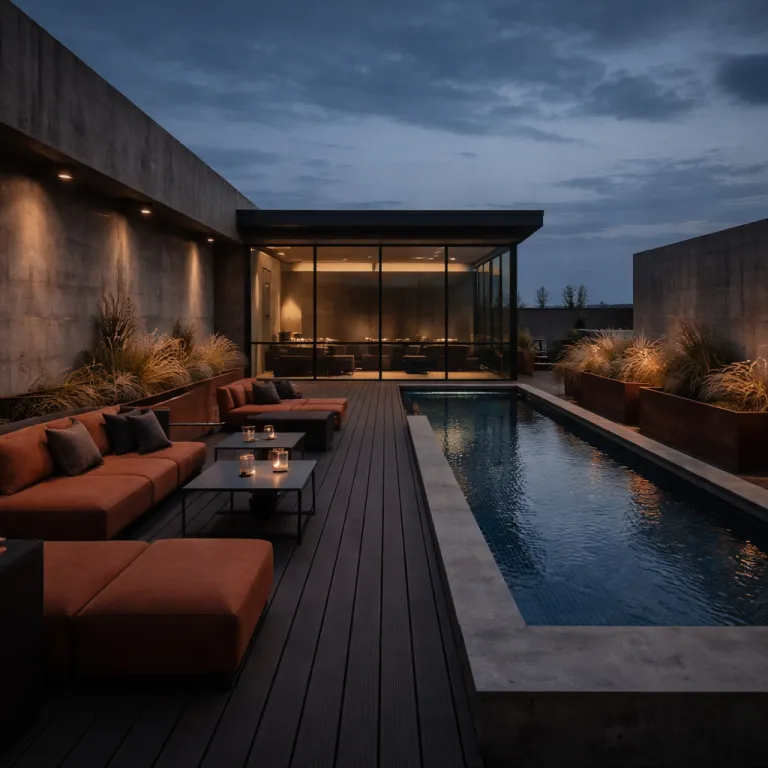
Executive retreats in adults only luxury hotels
Executive retreats thrive when leaders step away from routine work and enter a refined, adults only environment. In luxury properties designed for privacy, an executive team can shift from operational noise toward strategic planning and deeper reflection. These retreats become a rare retreat experience where every detail supports focus, calm, and meaningful conversation.
Senior leaders such as CEOs, C-suite executives, and board members benefit from executive retreats that blend comfort with purpose. When a corporate retreat is hosted in a premium adults only hotel, the leadership team gains quiet spaces, attentive services, and curated venues that encourage strategic clarity. This type of retreat allows each executive to move from constant decision making into more thoughtful leadership development and long term thinking.
Modern retreats are no longer simple offsite meetings; they are immersive experiences that integrate wellness, culture, and tailored planning. A well designed executive retreat uses workshops, seminars, and outdoor activities to support leadership alignment and team building. Within adults only hotels, these retreats can also include spa rituals, fine dining, and discreet concierge services that elevate every retreat experience.
Companies increasingly choose adults only vacation rentals or retreat homes when they want privacy for sensitive strategic discussions. These vacation rentals can be configured as intimate retreat venues where the executive team controls schedules, security, and access. When combined with expert retreat planning and on site services, such venues help corporate retreats achieve measurable outcomes in leadership cohesion and company culture.
In this context, executive retreats are not leisure vacations but carefully structured corporate experiences. The right retreat homes or luxury vacation rentals provide a setting where work and rest coexist in balance. This balance is essential for leadership teams seeking strategic clarity, improved decision making, and a renewed sense of shared purpose.
Designing an executive retreat that serves strategy
Effective executive retreats begin with clear objectives that go beyond generic team building. Retreat planning should start by defining how the leadership team will use the time for strategic planning, leadership development, and corporate alignment. When these goals are explicit, every element of the retreat experience can be tailored to support them.
Many companies structure an executive retreat over two to five days, allowing space for deep work and reflection. A typical schedule includes arrival and welcome, focused strategy sessions, building activities, and time for feedback and next steps. This rhythm helps executives move from intense corporate discussions into quieter moments where strategic clarity can emerge.
Workshops and seminars during retreats should address real business challenges rather than abstract leadership theories. Facilitators can guide the executive team through decision making frameworks, scenario planning, and leadership development exercises. Outdoor team building activities, especially in destinations such as colorado, can reinforce trust and collaboration among teams while keeping the retreat grounded in real world dynamics.
Retreat planning partners, including specialized retreat planning companies and local service providers, play a crucial role. They coordinate retreat venues, transportation, spa appointments, and concierge services so the leadership team can focus on work. When these services are integrated with technology for presentations and virtual participation, corporate retreats become more inclusive and efficient.
Adults only hotels and vacation rentals are particularly well suited to strategic retreats because they minimize distractions. In these venues, company culture can be explored honestly, and corporate retreat sessions can address sensitive topics without interruption. By aligning the agenda, services, and environment, executive retreats transform from expensive vacations into high impact investments in leadership and long term performance.
Choosing adults only retreat venues and rentals
Selecting the right retreat venues is one of the most critical decisions in executive retreat planning. Adults only hotels and vacation rentals offer a controlled atmosphere where the executive team can speak freely and work without family oriented noise. This privacy is essential when retreats involve confidential strategic planning or delicate company culture discussions.
Many leadership teams now favor luxury vacation rentals or retreat homes instead of traditional corporate venues. These vacation rentals can be configured as private retreat homes with dedicated meeting rooms, outdoor terraces, and spa facilities reserved exclusively for the group. Such settings allow retreats to flow naturally between structured work, informal conversations, and restorative downtime.
Destination also matters, and locations like colorado illustrate how environment shapes retreat experience. Mountain retreat venues in colorado provide clean air, outdoor activities, and a sense of distance from daily corporate pressures. When combined with adults only policies and attentive services, these venues help teams reset mentally while engaging in serious strategic planning.
For companies seeking a fully serviced environment, adults only luxury resorts can be ideal for executive retreats. Properties that specialize in all inclusive adults only stays often provide sophisticated spa offerings, fine dining, and discreet concierge services. A curated adults only resort stay, such as those highlighted in this guide to all inclusive adults only luxury resorts, can transform a corporate retreat into a seamless retreat experience.
When evaluating potential venues, leadership teams should consider long term relationships with properties that understand corporate retreats. Consistent partnerships allow retreat planning to become more efficient, as staff learn the company’s preferences, work rhythms, and leadership development priorities. Over time, these trusted retreat homes and vacation rentals become strategic assets in the company’s leadership and culture agenda.
Integrating wellness, spa, and culture into executive retreats
High performing executives often arrive at retreats carrying significant stress, which can undermine strategic clarity. Integrating wellness and spa experiences into executive retreats helps leaders decompress before deep strategic planning sessions. In adults only hotels, spa facilities can be reserved for the executive team, creating a calm environment that supports reflection and better decision making.
Well designed retreats balance intensive work with restorative activities that respect the leadership team’s energy. Morning strategy workshops can be followed by afternoon spa treatments, light outdoor activities, or cultural excursions that showcase the local culture. This rhythm allows retreats to feel like purposeful vacations while still prioritizing corporate outcomes and leadership development.
Company culture is often more effectively addressed in informal settings than in formal boardrooms. During an executive retreat, shared meals, relaxed conversations by the pool, or guided cultural experiences can reveal how teams actually interact. These moments provide valuable insight into company culture, team dynamics, and leadership styles that may not surface during structured work sessions.
Adults only retreat venues are particularly well suited to this blend of work and leisure. Without the distractions of family oriented environments, the executive team can move smoothly between strategic planning, spa time, and cultural experiences. This integrated approach turns retreats into holistic experiences that support both personal wellbeing and corporate performance.
Over the long term, leadership teams that regularly invest in such balanced retreats tend to build stronger trust and resilience. Corporate retreats that honor both work and rest encourage healthier decision making and more sustainable leadership practices. By treating wellness, spa experiences, and culture as core components rather than optional extras, executive retreats become powerful tools for shaping company culture and strategic direction.
Maximizing impact through facilitation, services, and technology
The effectiveness of executive retreats depends not only on venues but also on expert facilitation and support services. Professional facilitators help structure strategic planning sessions, guide decision making, and ensure every executive participates meaningfully. Their presence allows the leadership team to focus on content rather than logistics or meeting management.
Retreat planning companies and local partners provide essential services that keep retreats running smoothly. They coordinate transportation, manage retreat homes or vacation rentals, and arrange spa appointments and cultural activities for teams. With strong concierge services in place, executives can dedicate their attention to corporate retreat objectives instead of operational details.
Technology now plays a central role in modern retreats, especially when some board members or C-suite executives join remotely. High quality presentation systems, collaboration tools, and secure connections enable hybrid executive retreats without compromising confidentiality. This flexibility supports long term leadership development by allowing a broader executive team to participate in key strategic discussions.
Experiential learning is another innovation shaping contemporary retreats, often delivered through structured building activities. Outdoor challenges, scenario simulations, and team building exercises help translate strategic concepts into lived experience. These activities are particularly effective when aligned with company culture and the specific goals of the corporate retreats.
Support data reinforces the value of well designed retreats for leadership alignment and performance. As one widely cited insight notes, “Companies with aligned leadership are more likely to outperform peers in revenue growth.” When executive retreats combine expert facilitation, tailored services, and thoughtful use of technology, they become powerful catalysts for strategic clarity and organizational success.
From one retreat to a long term leadership strategy
For many organizations, the greatest value of executive retreats emerges after everyone returns to daily work. A single executive retreat can spark new ideas, but sustained impact requires follow up, accountability, and long term planning. Leadership teams should treat each retreat as one chapter in an ongoing strategic planning and leadership development journey.
Immediately after retreats, the executive team should translate insights into concrete actions, timelines, and owners. Clear documentation of decisions, strategic priorities, and company culture commitments helps maintain strategic clarity. Regular check ins ensure that outcomes from the corporate retreat influence real work rather than remaining abstract intentions.
Over time, a rhythm of annual or semi annual retreats can anchor the company’s strategic cycle. Each executive retreat becomes an opportunity to review progress, refine decision making processes, and adjust leadership development priorities. This continuity strengthens trust within teams and reinforces the role of retreats as essential governance tools rather than occasional vacations.
Adults only retreat venues and vacation rentals can become familiar settings where the leadership team feels both comfortable and focused. Returning to the same retreat homes or colorado properties can deepen relationships with local partners and services. These trusted venues then support increasingly sophisticated retreats that address complex strategic challenges and evolving company culture questions.
Ultimately, executive retreats in adults only luxury environments are most powerful when integrated into the company’s broader leadership strategy. By aligning retreat planning, venues, services, and follow up with long term goals, organizations turn each retreat experience into a lever for sustained performance. In this way, corporate retreats move beyond symbolic gatherings and become central to how modern companies lead, decide, and grow.
Key statistics and essential questions about executive retreats
Quantitative insights help leadership teams evaluate the potential impact of executive retreats. One notable statistic indicates that companies with aligned leadership are significantly more likely to outperform peers in revenue growth. This alignment is precisely what well structured retreats in adults only venues aim to achieve.
- Companies with aligned leadership are more likely to outperform peers in revenue growth : 70 % (source : McKinsey).
Understanding the fundamentals of retreats also helps executives plan more effectively. Below are essential questions that many leadership teams raise when considering an executive retreat for the first time. These answers provide a concise framework for thinking about objectives, participants, and duration.
What is the purpose of an executive retreat ?
What is the purpose of an executive retreat? To provide leaders with a focused environment for strategic planning and team building. In adults only hotels or private vacation rentals, this purpose is supported by quiet spaces, attentive services, and carefully designed agendas. The result is a retreat experience that strengthens leadership cohesion and clarifies strategic direction.
How long do executive retreats typically last ?
How long do executive retreats typically last? They usually last between 2 to 5 days. This period allows enough time for deep work, team building activities, and reflection without pulling the executive team away from operations for too long. Adults only retreat venues are particularly effective for these focused, time bound gatherings.
Who typically attends executive retreats ?
Who typically attends executive retreats? Senior leaders such as CEOs, C-suite executives, and board members. These participants represent the leadership team responsible for strategic planning, decision making, and company culture. Bringing them together in adults only luxury settings ensures that corporate retreats address the most critical issues facing the organization.