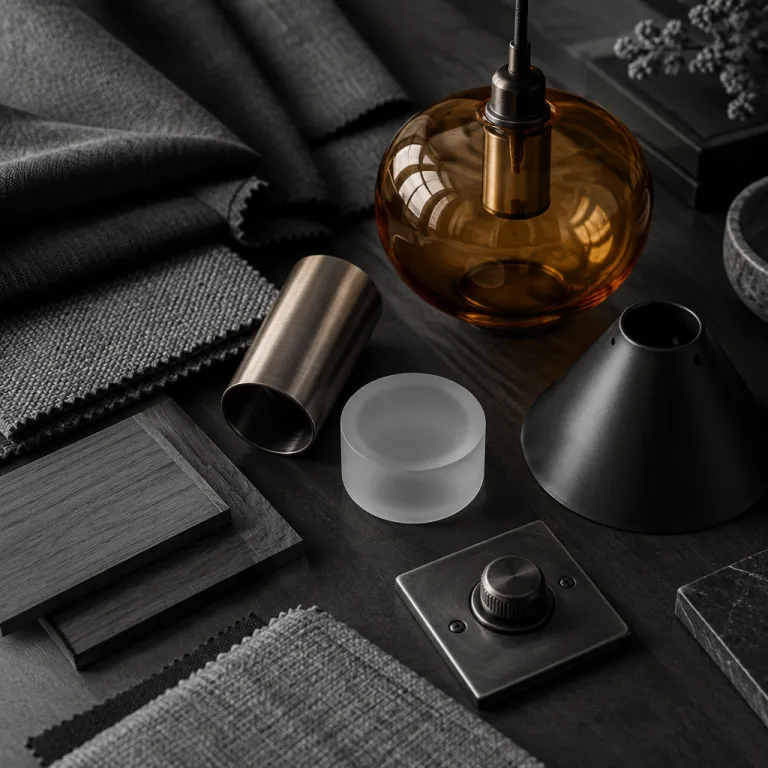
The quiet power of hotel lighting design in the evening
Walk into a great adults only hotel at dusk and you feel the shift immediately. The evening lighting ambience is not about brightness; it is about how light and shadow choreograph your first impression of the space. One carefully placed fixture can make guests feel as if the lobby has exhaled, turning arrival into a soft landing rather than a transaction.
Design teams in luxury hospitality talk about layers of light long before they choose fabrics or art. They map how ambient lighting, task lighting and accent lighting will guide guests through the lobby, bar and guest room, then they tune every color temperature so the atmosphere moves from golden hour to midnight without a jolt. When hotel lighting is handled with this level of hospitality lighting craft, the guest experience becomes quietly cinematic rather than merely functional.
Think of ambient light as the score, and the smaller lighting fixtures as the soloists. Ambient lighting in the hotel lobby sets the overall mood, while accent lighting on a sculpture or a bar shelf pulls the eye and defines the room as a place to linger. When hotels ignore this balance and rely on a single layer of harsh LED lighting, even the most expensive interior design can feel like an airport lounge after dark.
Evening lighting checklist for first impressions:
- Soft, indirect lobby light with visible pools of shadow
- Warm colour temperature rather than cold, blue white glare
- Accent lighting on art, bar shelves or key architectural details
- No single overhead fixture dominating the entire space
Why adults only spaces lean warmer, darker and more layered
Adults only hotels enjoy a freedom that family resorts rarely have; they can let the lighting fall to a low, warm glow without worrying about prams in corridors or homework at the desk. That freedom shapes evening ambience choices, from the colour temperature of the LED strips under the bar to the dimming curves in every guest room. When the design brief is romance and restoration, the light can finally prioritise atmosphere over practicality.
In these hotels, ambient lighting is usually set warmer than in mixed age properties, often around 2,700 to 3,000 Kelvin for public spaces, in line with guidance from bodies such as the Illuminating Engineering Society (IES). That warm colour temperature flatters skin tones, softens architectural lines and helps guests feel unhurried as they move from the hotel lobby to the restaurant or spa. Interior design teams often pair this warm base with pools of accent lighting, using small fixtures to highlight textures in the hotel interior rather than flooding spaces with uniform brightness.
This design language aligns with the broader shift toward minimalism with warmth in high end hospitality. Many of the most interesting adults only properties now use restrained room lighting, concealed LED strips and intuitive control systems to create calm, rather than relying on decorative lights as visual noise, a trend explored in depth in this guide to minimalism meeting warmth in adults only hotel design. When lighting design is this considered, the hotel room becomes a cocoon where a single bedside light can feel like an invitation rather than a switch.
From golden hour to midnight: choreographing the evening arc
The most memorable evening lighting experiences are not static; they unfold across time. As the sun drops, hospitality lighting should guide guests from pool to lobby to bar to guest room in a sequence that feels almost pre programmed, yet never forced. You notice it when the path lights along the garden dim just as the candles on the terrace come into their own.
At golden hour, many adults only hotels keep exterior lights low, letting natural light do most of the work while subtle accent lighting picks out steps, trees and water edges. As darkness deepens, control systems slowly raise ambient light levels on paths and in the hotel lobby, while keeping the colour temperature warm to avoid that jarring, blue white glare that kills atmosphere. In parallel, bar counters and dining tables often receive slightly brighter task lighting, so the guest experience remains both sensual and practical.
Inside the hotel room, a well considered evening scene might bring up soft ambient light from coves, add a touch of LED lighting behind the headboard and leave a single, focused task lighting beam over a chair. This layered room lighting lets guests choose whether the space feels like a private lounge or a quiet reading room, rather than a generic lighting hotel setup. Acoustic design plays a similar role in shaping mood, and many of the best properties now treat silence and light as twin luxuries, a relationship explored in this piece on acoustic architecture in luxury adults only hotels.
The technical craft behind effortless evening atmosphere
What feels like effortless evening ambience is usually the result of meticulous technical planning. Lighting designers work with architects and interior design teams to hide fixtures, control glare and ensure that every ambient light source supports human circadian rhythms after dark. The goal is to let guests feel the atmosphere, not the hardware.
Hidden LED lighting in coves, under benches and behind mirrors creates a soft wash that defines spaces without visible points of light. Carefully chosen lighting fixtures with good glare control keep the hotel lobby comfortable, so guests can look across the room without being hit by a bright LED chip. In guest rooms, layered room lighting with separate circuits for ambient lighting, task lighting and accent lighting allows nuanced scenes, from a late night bath to a quiet in room dinner.
Control systems are the invisible backbone of this hospitality lighting craft, allowing hotels to pre set scenes for sunset, dinner and late night, while still giving each guest intuitive control. Brands such as Lutron, KNX or Crestron are often used to create simple scene buttons so a guest room tablet or wall keypad lets the guest choose between "evening", "reading" and "night" modes. This is where hotel interior ambitions meet operational reality, because a lighting hotel concept only succeeds when guests can adjust the light without needing a manual.
When the light is wrong: what to watch for when you book
Even beautifully designed hotels can stumble on evening lighting, and seasoned adults only travellers learn to read the signs. An over lit lobby with cold colour temperature and visible downlights often signals a property that prioritises efficiency over atmosphere. The same is true of guest rooms where a single central fixture blasts the space with flat light, leaving no option for softer ambient lighting.
Pathways are another common failure point, especially in resorts where security concerns lead to harsh, bluish LED lighting that feels more like a car park than a garden. Look instead for hotels that use low level lighting fixtures, warm colour temperature and shielded lights to keep glare out of guests’ eyes while still making spaces safe. When exterior lighting design respects darkness, the night sky becomes part of the guest experience rather than a casualty of it.
Inside, pay attention to whether the hotel room offers separate circuits for bedside lights, bathroom lighting and general ambient light, ideally with dimmers. If every switch triggers all the lights at full power, the hotel interior will feel more like an office than a retreat, and guests feel this disconnect immediately. For couples planning a vow renewal or a milestone celebration, it is worth choosing properties where evening lighting is treated as part of the ceremony, a point explored in this feature on why adults only hotels have become settings for second ceremonies.
How to read photos and reviews for lighting clues
When you are booking online, you rarely see the evening ambience in person before you commit. Yet the clues are there in photos and guest reviews if you know where to look. A lobby shot with visible, bright downlights and no shadow play usually means the atmosphere will feel flat after dark.
Search for images of the bar, restaurant terrace and guest room taken at night, not just during the day. Warm pools of ambient light, visible candles and subtle accent lighting on art or stonework suggest a hospitality lighting scheme that understands romance and intimacy. If every surface looks evenly lit and the colour temperature appears cool, expect a more functional, less sensual experience.
Reviews can also reveal how lighting design affects the guest experience, even when guests do not use technical language. Comments about "harsh lights", "too bright at dinner" or "could not dim the room" point to weak control systems and limited room lighting options. On the other hand, when multiple guests mention how relaxed they felt in the hotel lobby at night or how flattering the light was in the guest room, you are likely looking at a lighting hotel where design and hospitality work in quiet harmony.
FAQ
Why does warm lighting feel better in adults only hotels at night ?
Warm lighting with a lower colour temperature is closer to firelight, which our brains associate with relaxation and safety. In adults only hotels, this warm ambient lighting supports unwinding, intimacy and slower evenings. Cooler light tends to feel more clinical and alerting, which works for offices but not for a romantic hotel room.
What is the difference between ambient, task and accent lighting in a hotel ?
Ambient lighting provides the general light level in a space, like the soft glow in a lobby or guest room. Task lighting is brighter and focused on specific activities, such as reading lamps by the bed or lights over a vanity. Accent lighting highlights features, for example a beam on artwork or an LED strip washing a textured wall.
How can I tell from photos if a hotel will feel too bright at night ?
If evening photos show very even light with few shadows and visible bright fixtures, the hotel is probably over lit. Look for cool, bluish tones and reflections on shiny surfaces, which suggest high colour temperature LED lighting. A more atmospheric property will show pools of light, darker corners and a generally warmer hue.
Are control systems in hotel rooms actually useful for guests ?
Well designed control systems let guests change the mood quickly without confusion. Simple scene buttons such as "evening" or "reading" are more intuitive than a row of unlabeled switches. When controls are clear, guests can tune room lighting to their comfort instead of fighting with the technology.
Why do some hotel paths feel like car parks at night ?
Many properties use bright, cool LED fixtures outdoors for security, which can create a harsh, car park atmosphere. Better designed paths use shielded, low level lighting with warm colour temperature to keep glare down while still ensuring safety. This approach preserves both the night sky and the romantic mood of the grounds.