What carbon neutral really means for an adults only luxury stay
Choosing a genuinely sustainable adults only hotel for a low impact stay starts with clear definitions. A credible climate conscious property measures every source of greenhouse gas emissions, from on site fuel use to the electricity mix and the emissions generated by suppliers. When upscale couples-only resorts or child-free retreats speak about sustainability, you should be able to read transparent data on their total carbon footprint, not just a few eco friendly gestures.
Carbon neutral in hospitality means that a hotel or resort has reduced emissions as far as technically and financially reasonable, then offset the remaining carbon through verified projects. The most rigorous climate responsible hotels address Scope 1 emissions from their own boilers and vehicles, Scope 2 emissions from purchased electricity, and Scope 3 emissions from supply chains, staff travel, and guest activities, following frameworks such as the Greenhouse Gas Protocol. When a property claims to be a pioneering low carbon adults only retreat, ask whether all three scopes are included in their sustainability efforts or only the easiest parts, and whether the calculations are reviewed by an independent expert.
Some of the best eco conscious hotels now go further and aim for carbon positive operations, where they remove more carbon than they emit. Populus Hotel in Denver, for example, has announced an ambition to operate as a carbon positive hotel in the United States while still delivering a polished luxury experience, supported by third party life cycle assessments and reforestation partnerships documented in its public communications. Its design shows how an eco friendly, adult-focused style of calm, clean lines and generous views can coexist with deep sustainability, including energy efficient systems and responsible water use that together cut operational emissions per guest night compared with a conventional urban hotel of similar size.
Other leaders focus on net zero status rather than carbon positive branding, but the principle remains the same. A serious low carbon strategy for an adults only hotel or romantic hideaway always starts with cutting energy demand through insulation, smart controls, and passive cooling before turning to offsets, a hierarchy echoed in guidance from organisations such as the Science Based Targets initiative. When you read full sustainability reports from serious eco hotels, you will see detailed breakdowns of emissions, renewable energy use, and long term reduction targets rather than vague promises or a single logo, often expressed as kilograms of CO2 equivalent per guest night so that performance can be compared year on year.
Design signals that a resort is sustainable by intent, not by retrofit
When you walk into a luxury adults only resort that was conceived around sustainability, the difference is tangible. Materials feel grounded and local, the air is cool without being over conditioned, and the layout frames natural views instead of fighting the landscape. These design choices reveal whether a climate conscious, child-free escape is sustainable by design or just painted on the marketing.
Look first at energy systems, because they shape both comfort and impact in every hotel spa corridor and every resort spa suite. Properties that integrate solar panels into roofs and shading structures, or tap geothermal springs and hot springs for heating, are reducing carbon at the source instead of relying only on offsets. When a beach resort uses cross ventilation, deep overhangs, and native planting to keep rooms cool, it is practicing sustainability by design rather than by brochure, often cutting cooling energy use per square metre by double digit percentages compared with conventional builds, a pattern reflected in building performance case studies from green hotel certification schemes.
Water is the second quiet indicator of serious sustainability efforts in adults only hotels and romantic spa retreats. A truly eco conscious resort will treat and reuse grey water for irrigation, protect local springs and aquifers, and install low flow fixtures that still feel luxurious in the spa and in every lodge style suite. You should be able to read clear explanations of how the property manages water, including any on site treatment plants, rainwater capture systems, or partnerships with local communities to avoid stressing shared resources, sometimes backed by regional water stewardship labels.
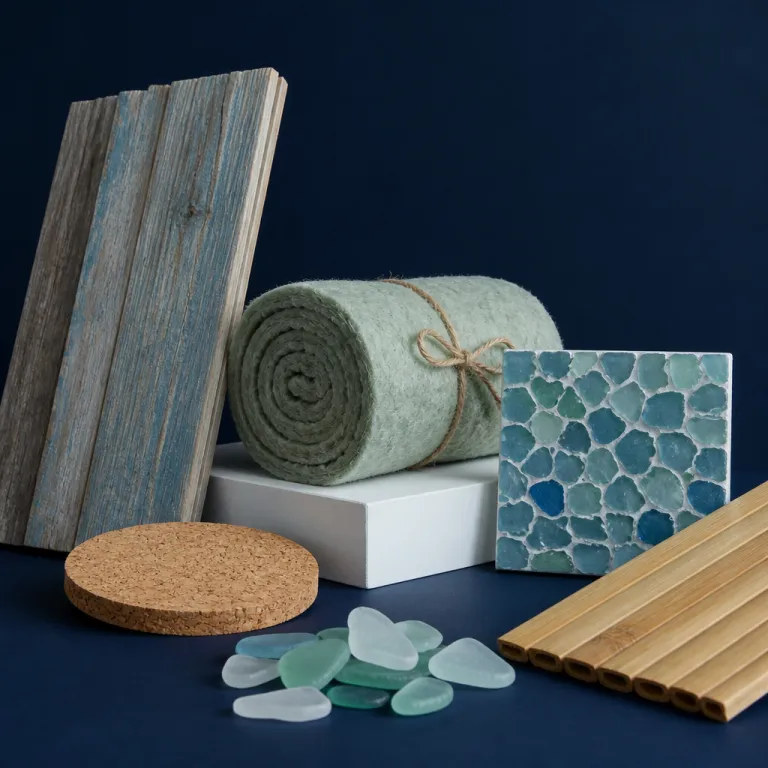
Materials tell the rest of the story, from locally sourced stone to organic ingredients in the restaurant and hotel spa. Ambiente Hotel in Sedona, an adults only eco luxury retreat, uses elevated structures that touch the desert lightly while still delivering high end comfort and uninterrupted night sky views, a design approach that limits soil disturbance and reduces the need for energy intensive retaining walls. As new regulations such as the European Union’s Empowering Consumers for the Green Transition Directive tighten rules on greenwashing, resources that analyse new EU anti greenwashing rules for hotels will help travelers separate genuine sustainable tourism from clever copywriting and unsupported claims, especially when comparing different boutique properties.
From the Red Sea to the Alps: case studies in adults only sustainability
Some destinations are now being planned as entire low impact landscapes rather than isolated eco hotels. Saudi Arabia’s Red Sea Project is one of the most ambitious, integrating luxury hospitality with ecological restoration across thousands of square kilometres of coastline and islands. The stated goal is to operate on 100 % renewable energy, eliminate landfill waste, and run resort infrastructure with a zero carbon mindset from the start, targets that are documented in publicly available master planning and environmental impact reports and referenced in sustainability briefings for investors.
For adults only travelers, the lesson from the Red Sea is not about geography but about intent. When a low impact coastal resort for couples is part of a master plan that protects reefs, restores mangroves, and limits visitor numbers, every spa treatment and every beach walk sits within a wider sustainability framework. That is very different from a single hotel adding a few solar panels while the surrounding area is overbuilt and water stressed, a pattern highlighted repeatedly in destination level climate risk assessments and regional tourism planning documents.
In cooler climates, Hotel My Arbor in South Tyrol shows how a tree level lodge can blend luxury with sustainability. Built on stilts among the forest canopy, this adults only style property reduces land disturbance while offering expansive views and a cocooned resort spa atmosphere. Its design uses timber construction, efficient insulation, and careful water management to keep the operational carbon footprint low without compromising the sense of retreat, and its regional certification schemes document performance on energy, waste, and biodiversity through publicly available scorecards.
On the Pacific coast, Inn at Laurel Point in Victoria has been recognized as one of the first carbon neutral hotels in its region, pairing a calm harbourfront setting with serious sustainability efforts. Guests can read documentation of its emissions accounting, renewable energy purchases, and offset strategy, including third party verification of carbon neutral status, which is still rare transparency in the hotel world. For a deeper dive into which labels genuinely matter when you compare sustainable hotels, consult a guide to hotel sustainability certifications that distinguish robust standards from marketing badges before you book, paying attention to whether criteria cover Scope 3 emissions and social impact.
How to audit a sustainable adults only hotel before you book
For a solo explorer planning an adults only escape, the booking page is your first sustainability filter. Start by scanning how the hotel or resort explains its environmental commitments, then cross check those claims against independent certifications and any published data such as annual sustainability reports or carbon disclosure summaries. A serious climate responsible adults only operator will usually share at least a summary of its emissions, energy mix, and reduction targets, sometimes expressed as kilograms of CO2 equivalent per guest night and broken down by scope.
Next, look for concrete details about energy, water, and waste rather than generic eco friendly language. Does the property specify how much of its power comes from solar or other renewables, and whether solar panels are on site or purchased through a grid mix? Are there references to water recycling, protection of local springs, and partnerships with local suppliers for organic ingredients in the restaurant and spa menu, along with data on waste diversion rates or food waste reduction initiatives, ideally reported as percentages or kilograms per guest?
Food and wellness offerings can be revealing, especially in adults only hotels where dining and the spa are central to the experience. Menus that highlight locally sourced produce, low impact seafood, and plant forward dishes usually reflect broader sustainable tourism thinking and can significantly reduce the emissions intensity of each meal. In the spa and resort spa areas, look for treatments that use organic ingredients, refillable containers, and water efficient hydrotherapy rather than endless, heated pools that run all night without occupancy controls, and check whether any wellness products carry recognised organic or cruelty free labels.
Finally, pay attention to how the property speaks about community and culture, because sustainability is never only about carbon. A truly eco conscious hotel will reference local employment, training, and cultural partnerships alongside its environmental metrics, sometimes publishing social impact indicators or case studies. When you read full sustainability sections that mention both carbon footprint reductions and community outcomes, you are more likely looking at one of the best eco aligned adults only hotels rather than a thinly disguised marketing exercise, and you can cross reference those claims with regional tourism board reports or certification bodies.
Staying carbon light without sacrificing adults only indulgence
Once you arrive at a climate conscious adults only retreat, the way you use the space can either reinforce or undermine the property’s efforts. Simple choices such as reusing towels, moderating air conditioning, and timing long showers thoughtfully help keep the water and energy systems balanced. In intimate, adults oriented settings where every suite often has a private plunge pool or deep soaking tub, these decisions matter more than many guests realise because per room resource use is typically higher than in standard hotels.
Many of the best eco conscious resorts now design indulgence around low impact pleasures rather than resource heavy spectacle. Think thermal circuits that use naturally heated springs and hot springs instead of vast, chlorinated pools, or sunset rituals on the beach that rely on views and soundscapes rather than amplified music. A quiet afternoon in a hotel spa that uses local botanicals and organic ingredients can feel more luxurious than a fluorescent, product heavy treatment room, while also reducing packaging waste and transport related emissions, especially when treatments are designed around seasonal, regionally sourced materials.
Transportation is another lever for reducing your personal carbon footprint during a stay. Choosing rail over short haul flights where possible, arranging shared transfers, or using bikes and electric shuttles provided by the property all support the hotel’s sustainability efforts and can cut travel emissions significantly on a per kilometre basis. Adults only resorts that take sustainable tourism seriously will often provide detailed guidance on lower carbon arrival options and may even reward guests who choose them with credits, upgrades, or wellness experiences, sometimes highlighted in pre arrival emails or booking confirmations.
As milestone trips become more central to how adults travel, from solo sabbaticals to celebration escapes, aligning indulgence with impact is increasingly natural. This is where curated resources such as features on how adults only hotels became the default for milestone trips can help you frame your next journey. With a growing majority of travelers now prioritizing sustainable travel, and guidance such as “Choose certified eco-friendly hotels”, “Support local sustainable businesses”, and “Reduce travel carbon footprint”, the most desirable luxury is often the one that leaves the lightest trace while still feeling deeply restorative.
FAQ
What is a carbon neutral hotel in practical terms ?
A carbon neutral hotel is a property that has measured its total greenhouse gas emissions, reduced them as far as possible, and then offset the remaining carbon through verified projects such as reforestation, renewable energy, or methane capture. The most credible sustainable hotels include Scope 1, Scope 2, and Scope 3 emissions in their calculations, covering direct fuel use, purchased electricity, and supply chain impacts in line with recognised accounting standards. When you assess a climate neutral claim for an adults only hotel, look for transparent reporting rather than a single logo, and check whether offsets are certified under established carbon standards with public registries.
How do hotels usually achieve carbon neutrality ?
Hotels achieve carbon neutrality through a combination of energy efficiency, renewable power, and high quality offsets. Common measures include installing solar panels, upgrading to efficient heating and cooling systems, improving insulation, and reducing water use across rooms, the spa, and back of house areas, often guided by energy audits or building performance benchmarks. Any remaining emissions are then balanced by funding projects that remove or avoid an equivalent amount of carbon elsewhere, ideally certified under robust standards with public registries and periodic third party verification.
Why are adults only hotels focusing so strongly on sustainability ?
Adults only hotels often attract guests who are willing to pay for a more curated, intentional experience, which aligns naturally with sustainability. Many solo explorers and couples now expect luxury to be eco conscious, from locally sourced food to low impact wellness rituals, and surveys consistently show rising demand for responsible travel options. As a result, adults only resorts that invest in measurable sustainability efforts can differentiate themselves while meeting these expectations and managing long term climate risk, especially in destinations already facing water stress or coastal erosion.
How can I tell if a hotel’s sustainability claims are trustworthy ?
Trustworthy claims are specific, measurable, and independently verified. Look for detailed sustainability sections that explain energy sources, water management, waste reduction, and community partnerships, ideally backed by credible certifications or third party audits that you can cross check. Be cautious when a property uses vague eco friendly language without data, or when it highlights a single initiative instead of a comprehensive sustainability strategy with time bound targets, and consider whether performance indicators are updated regularly rather than remaining static for years.
Do sustainable hotels still offer the same level of luxury ?
Well designed sustainable hotels often feel more luxurious, not less, because they prioritise comfort, calm, and a strong sense of place. Natural materials, generous daylight, quiet mechanical systems, and thoughtful spa and dining concepts can elevate the adults only experience while keeping the carbon footprint low and improving indoor environmental quality. Properties such as Populus Hotel, Ambiente Hotel, Hotel My Arbor, and Inn at Laurel Point show that serious sustainability and high end hospitality can coexist seamlessly when design, operations, and reporting are aligned and supported by verifiable performance data.