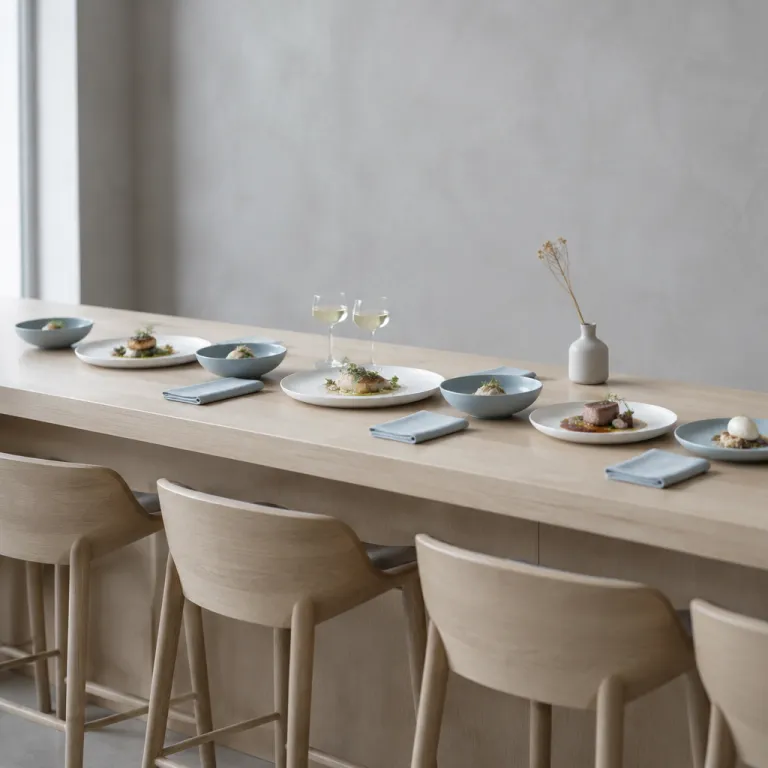
Why the most coveted seat is now a single table
The most sought after chefs table adults only hotel dining seat is no longer in the corner suite, but at a single table facing the pass. In many adults only properties, the most coveted restaurant space is now a chef table or counter where eight to ten guests share one elongated surface, one seating per evening, and a tasting menu that feels more like theatre than a standard meal. This format suits people who want intimacy and focus, because the dining chef stands just a few metres away, plating each course in full view.
What defines this table chef format is precision rather than spectacle, with an open kitchen, a fixed list of courses, and direct conversation between chef and guests instead of a scripted show. There is usually only one service each day, so the team can pace the meal slowly, pair each wine thoughtfully, and adjust the menu in real time according to how guests respond. For couples used to rushed restaurant service, this kind of chefs table adults only hotel dining feels like a reset, because time stretches and the evening becomes the main event rather than a prelude to something else.
Adults only hotels lean into this experience because they can guarantee a quiet room, where no one needs to raise a voice over background noise. Without families moving between tables, the chef can speak to all guests at once, explain why a particular local ingredient is being served, and keep the rhythm of the meal unbroken. The result is a style of dining where people leave happy but not hurried, and where the memory of a single table often outlasts the memory of the suite itself.
How adults only settings shape the chef's-counter experience
Adults only hotels give chefs table adults only hotel dining a crucial advantage ; they control the noise floor and the schedule. With no early kids' sittings, the restaurant can start its single seating later in the evening, which means guests arrive relaxed from the spa or the quiet pool rather than rushed from a day of errands. That slower time frame lets the chef design a longer course progression, often ten or more plates, without worrying about turning the table quickly.
Because the space is reserved for adults, the dining chef can assume a certain level of curiosity and patience from guests years into their travel lives, who have eaten widely and want nuance rather than novelty. That shapes everything from the menu structure to the wine pairing, with more room for local varietals, unexpected textures, and dishes served at unconventional temperatures. In coastal properties, this often intersects with ocean to table thinking, where a reef to restaurant philosophy informs every course and where guests can read more about ocean to table dining at coastal adults only hotels in a dedicated guide on the same platform.
The absence of family traffic also changes how service flows around the table, because staff can move quietly and keep the focus on the pass. People who book these experiences often say they feel as if they have stepped into a private home, where a table chef cooks only for them and a small circle of strangers. When the room holds just one table and one group of guests, the chefs table adults only hotel dining format becomes less about spectacle and more about shared attention, which is exactly what many couples now seek from a special evening away.
Scarcity, economics and why hotels still run them
From a pure revenue perspective, a single chef table with eight guests looks irrational compared with a 60 seat restaurant turning twice a night. The costs of a dedicated dining chef, premium ingredients, and a sommelier pouring rare wine by the glass mean that many hotels barely break even on these evenings. Yet executives keep them on the list of signature experiences, because the prestige and word of mouth they generate often outweigh the direct income from each meal.
Scarcity is engineered carefully ; there is usually only one seating per day, bookings open months ahead, and cancellations are rare because deposits are taken at the time of reservation. This creates a sense of occasion that standard dining rooms struggle to match, especially when the chef greets guests personally at the table and explains how each course will be served. For many couples, the promise of a chefs table adults only hotel dining experience is now a deciding factor when choosing between properties with similar rooms and pools.
Wine pairing plays a central role in this economic equation, because it is often where margins are made and where the hotel sommelier becomes the quiet star of the evening. Guests who care deeply about wine can explore that world further through a detailed feature on when wine becomes the reason you booked, which helps them understand how to evaluate pairings and cellar depth. Over the years, people have become more comfortable paying a premium for this level of attention, and hotels have learned that a small, perfectly run table chef experience can anchor an entire gastronomic reputation.
The choreography of a perfect single-table evening
When a chefs table adults only hotel dining service works, it feels effortless, but behind the scenes the choreography is exact. The evening usually begins with a quiet welcome at the table, perhaps a small course served as an amuse bouche, while the chef outlines the menu and checks for any last minute preferences. From that point, time is managed almost like a performance, with each dish arriving at the precise moment when conversation dips and glasses are ready for the next wine.
Storytelling matters as much as seasoning, because guests want to understand why this particular local fish, vegetable, or spice has been chosen for their meal. A skilled dining chef will weave short explanations between courses, never long enough to feel like a lecture, but detailed enough to make people feel part of the creative process. Service staff move in a tight pattern around the table, clearing plates silently, refreshing water, and ensuring that every wine pairing is served at the correct temperature and in the right glassware.
For couples, the magic lies in how the experience balances privacy with shared theatre, so they can talk quietly while still feeling part of a small community of guests. Over the years, many travelers have learned to plan an entire friends' retreat or romantic break around one such evening, and those considering a group stay can read a guide on planning a friends retreat at an adults only hotel without compromise for more context. When the final course arrives and the chef returns to the table for a last conversation, the sense of a complete, carefully paced evening often leaves guests happy to linger long after the last plate is cleared.
When chef's-counter dining misfires and how to read the signals
Not every chefs table adults only hotel dining room delivers on its promise, and seasoned travelers learn to read warning signs before they book. Forced intimacy is one red flag, when a table chef insists on constant conversation or group games that leave people wishing they could quietly skip content and focus on the food. Another is performance over substance, where the dining chef spends more time narrating than cooking, and each course feels like a prop rather than a carefully balanced meal.
Upselling can also sour the evening, especially when the base menu is priced attractively but every interesting wine or extra course carries a steep supplement. Guests years into their travel journeys recognise this pattern quickly, and many now look for clear, transparent pricing that lists what is included and what will be served without surprises. If the restaurant cannot explain the structure of the evening in a few calm sentences, that lack of clarity often shows up later in rushed pacing or confused service.
There are also softer cues ; a room that feels cramped, lighting that is too bright, or music that competes with the chef's voice can all undermine the atmosphere that adults only hotels are meant to protect. People who value serenity should pay attention to how staff speak about time, asking whether the table is theirs for the whole evening or whether another seating will follow. When the answer confirms that this is truly a single table, single seating experience, the chances are much higher that the chefs table adults only hotel dining format will feel like a privilege rather than a performance.
FAQ
What exactly is a single-table or chef's-counter restaurant in a hotel ?
A single-table or chef's-counter restaurant is a small dining space, usually inside an adults only hotel, where one table or counter seats a limited number of guests for a fixed tasting menu. There is typically only one seating per evening, and the chef cooks and plates in front of the table, explaining each course directly. This format focuses on interaction, pacing, and wine pairing rather than rapid table turnover.
How far in advance should I book a chef's table at an adults only hotel ?
Because there is usually only one seating per day and very few seats, many hotels open reservations several weeks or even months ahead. Popular properties often maintain a waiting list, especially during peak travel periods or when a well known chef is in residence. If the chefs table adults only hotel dining experience is central to your trip, secure it at the same time you book your room.
What should I expect to pay for a chef's-counter tasting menu with wine pairing ?
Pricing varies widely by destination and hotel category, but a multi course tasting menu with wine pairing in a luxury adults only property often costs as much as a high end spa treatment or more. The fee usually reflects the quality of ingredients, the time commitment of the chef, and the limited number of guests. Always ask what is included in the price, such as water, coffee, and service, to avoid unexpected extras.
Is a chef's table experience suitable for introverted travelers or private couples ?
Many introverted travelers enjoy chef's-counter dining because the structure gives them something to focus on besides small talk, and conversation naturally flows around the food. However, some formats encourage more group interaction than others, so it is wise to ask whether the evening is designed for communal conversation or quieter observation. Couples who prefer privacy can request seats at one end of the table or choose properties where the chef's table is reserved for private bookings.
How can I tell if a hotel runs its chef's table well before I commit ?
Look for clear information about the number of courses, the length of the evening, and whether there is only one seating, as these details signal thoughtful planning. Reviews that mention smooth pacing, attentive but discreet service, and meaningful interaction with the chef are also strong indicators of quality. If communication before arrival feels vague or heavily focused on upselling extras, that can be a sign to reconsider.