From sustainable tourism to regenerative hospitality in adults-only stays
Regenerative tourism at an adults-only hotel built around renewable systems is not a slogan, but a measurable operating model. In practice, regenerative tourism means that the property restores ecosystems, strengthens the local community and leaves the destination richer than before your stay. As one expert definition from the Global Sustainable Tourism Council puts it, “Tourism that actively improves the environment and communities.”
For adults-only hotels, this shift from sustainable tourism to full regenerative hospitality aligns perfectly with a guest profile that values quiet, precision and purpose. You are not just choosing eco friendly features such as LED bulbs and recycled paper; you are selecting hotels and resorts where energy, water and food systems are designed for long term regeneration. The most serious properties treat regenerative principles as non negotiable, embedding conservation, culture and community into every part of the guest journey and tracking progress with regular impact reporting and third party reviews where available.
Across luxury eco hotels, this regenerative adults-only approach now shapes architecture, staffing and even spa menus. A lakeside lodge in Austria or a mountain retreat in Italy might use timber from certified forests and natural insulation, while partnering with local communities for guiding and gastronomy. These adults-only properties understand that modern tourism must protect national parks, marine reserves and cloud forest habitats rather than simply framing them as a backdrop for infinity pools, and many now commit a defined share of room revenue or profits to conservation funds, with contributions and outcomes described in their sustainability communications.
Energy systems: how adults-only properties make renewable feel like luxury
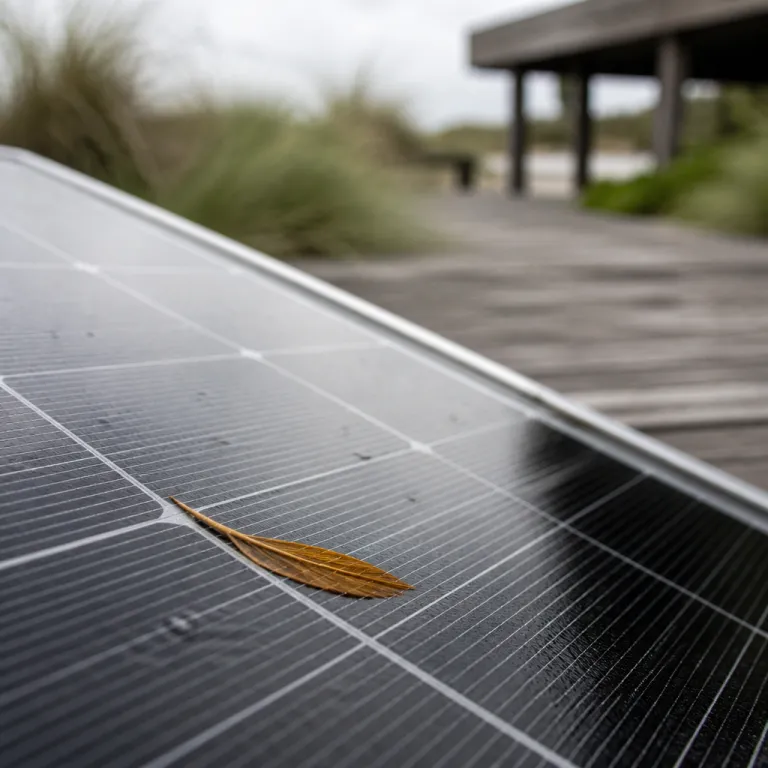
Energy is where a regenerative adults-only hotel strategy becomes visible in every corridor and suite. At Seehof Nature Retreat in South Tyrol and NILS am See in Austria, solar panels and biomass heating systems quietly power saunas, underfloor heating and mood lighting without compromising comfort. Public information from Seehof indicates that a large majority of its annual heat demand is covered by biomass, while rooftop photovoltaics at NILS am See generate a meaningful share of daytime electricity, reducing grid demand and helping to stabilise operating costs over time.
Adults-only eco luxury properties in remote valleys or on a private island often combine solar arrays, battery storage and high efficiency heat pumps. This mix allows the resort to maintain chilled wine cellars, silent air conditioning and generous hot water pressure while keeping emissions lower than a comparable conventional hotel. A typical mid sized regenerative hotel may aim to cover a substantial portion of its electricity needs from on site renewables, publish annual kilowatt hour consumption per guest night and report verified carbon reductions compared with regional averages, using recognised accounting methods rather than estimates.
For travelers who value discretion, the best climate friendly hotels make the technology almost invisible, yet traceable. Some regenerative resorts, for example, allow guests to review live data on renewable generation in the lobby, then walk outside and feel the warmth of a biomass fed spa pool. One guest described the experience simply: “I was sipping a glass of local wine in the sauna, watching the energy dashboard tick up from the solar roof.” If you want to understand which labels genuinely reflect this level of sustainability, look for in depth explanations of meaningful hotel sustainability certifications and independent assessments before you book.
Water, land and wildlife: when the resort becomes part of the ecosystem
Water is often the most fragile resource at any regenerative adults-only property, especially on an island or in arid landscapes. Leading eco friendly resorts now combine rainwater harvesting, greywater recycling and low impact desalination to keep pools full and showers generous without draining local supplies. Some coastal lodges in dry regions report reusing a significant share of their water through treatment systems, and these flows are monitored as closely as any spa KPI, because true regenerative hospitality treats every litre as part of a shared watershed.
On a Costa Rican coast or near a national park in Costa Rica’s cloud forest, the most committed eco hotels integrate conservation into daily operations. Paths are designed to protect turtle nesting beaches, lighting is shielded to avoid disturbing wildlife and landscaping uses native plants that support pollinators and birds. In some cases, a lodge or island inn funds rangers for the nearby national park, turning tourism into a direct ally for conservation and local communities; one Pacific coast property, for example, supports nightly turtle patrols that have helped protect large numbers of hatchlings over the past decade, as documented in local conservation reports.
Land management is equally precise at adults-only properties that take regenerative travel seriously. A hillside property may restore degraded slopes with native forest, stabilising soil and creating new habitats for Costa Rican species, while guests enjoy shaded hiking trails and cooler microclimates. Over a ten year period, a reforestation program of this kind can increase tree cover across dozens of hectares around a single lodge. For a deeper look at how architecture, energy and landscape design align, explore detailed case studies of adults-only hotels built around sustainability, which analyse low carbon design choices and ecological outcomes in depth.
The guest experience: quiet pools, local communities and regenerative luxury
For the business leisure traveler extending a work trip, the appeal of a regenerative adults-only stay is as emotional as it is ethical. You arrive at a calm property where the only midday sound by the pool is the ice in your glass, yet you know the energy for that perfectly chilled drink comes from the sun on the roof. This alignment between comfort and conscience is what separates marketing from meaningful regenerative hospitality, and many guests now mention this feeling explicitly in post stay feedback and online reviews.
At adults-only eco luxury lodges such as Rancho Pacífico in Costa Rica, regenerative travel is woven into the day without feeling like homework. Morning might begin with a guided walk through cloud forest, led by a naturalist from the local community who explains how tourism supports conservation projects and local communities’ livelihoods. Afternoon could bring a spa ritual using botanicals grown on site, followed by a tasting menu that showcases produce from nearby farms and fisheries committed to sustainable practices, with menus that often indicate the percentage of ingredients sourced within a defined local radius.
Guests who want to engage more deeply can join beach cleanups, tree planting or turtle nesting monitoring, while others simply appreciate knowing these programs exist. Either way, the property’s relationship with the local community and surrounding communities is central, from fair wages and local hiring targets to co created cultural experiences that are capped in size to avoid overtourism. If you are planning a milestone trip and want this level of intention, look for specialist guides that explain how adults-only hotels became the default for celebrations, helping you match your values with the right resort and destination.
Where to stay: adults-only properties leading regenerative tourism worldwide
Certain adults-only properties now serve as reference points for the regenerative tourism movement. In South Tyrol, Seehof Nature Retreat combines a serene lakeside setting with KlimaHaus certified construction, biomass heating and close collaboration with local producers. The KlimaHaus label requires strict energy performance and transparent building standards, and the result is a hotel where low consumption and renewable supply underpin the atmosphere rather than interrupting it.
Across the Alps, NILS am See in Austria operates as a sustainable adults-only hotel with solar power, natural materials and a strong link to the surrounding community. Guests swim in a clean lake protected by careful water management, dine on seasonal menus sourced from nearby farms and relax in saunas heated by renewable energy. These properties show how eco friendly design, luxury service and long term regenerative goals can coexist without compromise, and they increasingly publish sustainability fact sheets that summarise key indicators such as energy mix, waste diversion efforts and local sourcing percentages, allowing guests to verify performance.
Further afield, Costa Rica remains a benchmark for eco hotels and regenerative travel, from intimate lodges near national parks to coastal retreats such as Rancho Pacífico that overlook the Pacific. On a small island, an island inn might power itself with solar, support turtle nesting patrols and employ a high proportion of Costa Rican staff from the local community, with local employment shares and training programs described in public reports. As demand grows, experienced developers are working with local communities and sustainability organizations to create adults-only friendly hotels that set new standards for regenerative practices worldwide and share their progress openly.
FAQ
What is regenerative tourism in an adults-only context ?
Regenerative tourism in an adults-only context means that the hotel or resort actively improves the environment and local communities rather than simply reducing harm. Adults-only properties often have smaller guest counts and more flexible programming, which allows them to invest in conservation, renewable energy and cultural projects with measurable outcomes. This approach turns each stay into a contribution to ecosystem health, community resilience and long term destination quality, often tracked through annual sustainability reports, certification audits and independent evaluations.
How do adults-only hotels implement renewable energy ?
Adults-only hotels implement renewable energy by installing solar panels, biomass heating systems and other clean technologies that match their location and climate. Many properties use a hybrid system that combines rooftop solar, high efficiency heat pumps and smart building controls to reduce energy waste while maintaining high comfort standards. Some alpine retreats, for example, now cover the majority of their heating needs with biomass while using photovoltaics for common area lighting and electric vehicle charging, significantly cutting fossil fuel use per guest night compared with traditional hotels.
Why should I choose a sustainable adults-only resort for my next trip ?
Choosing a sustainable adults-only resort allows you to enjoy high service standards while minimizing your environmental footprint. These properties typically manage water carefully, support local communities through fair employment and sourcing, and invest in conservation projects that protect the landscapes you came to experience. Many also offer quieter spaces, slower paced itineraries and wellness programs that help you return home rested, knowing that your stay contributed to long term environmental and social benefits that are documented rather than assumed.
How can I verify that a hotel is genuinely regenerative and not just using green marketing ?
To verify that a hotel is genuinely regenerative, look for transparent reporting on energy, water, waste and community impact rather than generic eco language. Serious properties often hold credible sustainability certifications, publish detailed impact reports and can explain exactly how your stay supports conservation or local community projects. Reading independent analyses and guest reviews focused on sustainability performance, rather than only design or service, will also help you separate genuine regenerative hospitality from surface level claims and unverified marketing.
What can I do as a guest to support regenerative hospitality during my stay ?
As a guest, you can support regenerative hospitality by choosing properties with clear sustainability commitments and then participating in their programs. This might include joining guided nature activities, respecting wildlife guidelines such as those around turtle nesting beaches, and spending with local businesses recommended by the hotel. Simple actions such as limiting unnecessary laundry, staying on marked trails and engaging respectfully with local communities all reinforce the property’s long term regenerative goals and help ensure that your visit leaves a net positive legacy for the destination.