Why sleep is becoming the new status symbol in luxury travel
Sleep has quietly become the most coveted amenity in luxury travel. For adults-only travelers who work hard, fly often and think in quarters and KPIs, a serious sleep program in a luxury hotel is no longer a wellness extra but a longevity strategy. The most forward thinking hotels now treat every night as a precision designed chapter in a broader story of health, recovery and long term performance.
At the center of this shift sits the idea of a sleep program luxury hotel longevity ecosystem, where rest, movement and nutrition are orchestrated with the same care as a Michelin level tasting menu. In these adults-only hotels, wellness is not a scented candle but a set of measurable programs that link sleep quality to medical grade assessments, spa treatments and tailored movement sessions. The best luxury hotels understand that guests want fewer promises and more data, so they quietly build rooms that behave like calm, responsive instruments rather than theatrical stages.
Adults-only hospitality is naturally suited to this new focus on better sleep and longevity. Without family noise, kids’ clubs or dawn pool games, travelers can treat the hotel as a wellness clinic in disguise, where every corridor is quiet and every door closes softly. For executives extending business travel into leisure, these hotels resorts become controlled environments for recovery, where health, sleep and performance are calibrated rather than left to chance.
Inside a serious sleep suite: engineering, rituals and real recovery
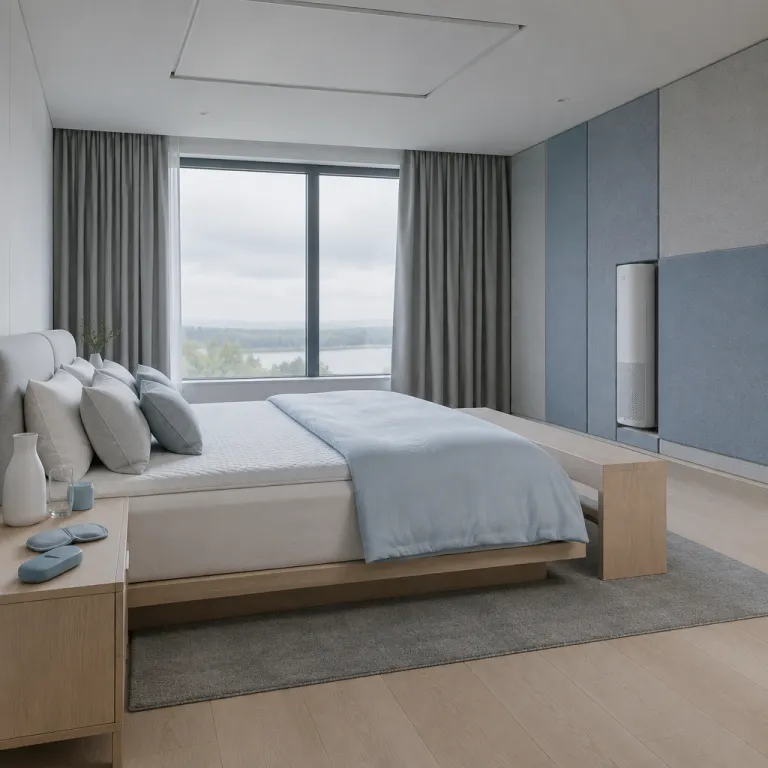
A credible sleep suite starts long before the spa menu or the pillow menu appears. Architects and acoustic engineers work with medical wellness consultants to shape rooms where temperature, light and sound are tuned for deep sleep rather than Instagram. In the best longevity hotels, you feel this before you read a single line of marketing copy.
First comes circadian lighting, shifting from cool, alert tones in the late afternoon to warm, low intensity hues that cue the body toward rest and long term hormonal balance. Blackout systems are layered, with dense curtains, hidden tracks and door sweeps that keep corridor light from leaking into the room, which is crucial for guests crossing time zones on intense luxury travel schedules. Temperature control is equally precise, with quiet systems that allow couples to fine tune each side of the bed, a small but decisive detail for adults-only travelers who value both intimacy and uninterrupted sleep.
Then there are the rituals that bridge spa culture and science based longevity travel. Thoughtful spa treatments focus on nervous system downshifting rather than just scented oils, pairing slow massage with breathwork and gentle movement sequences that prepare the body for better sleep. Some wellness hotel teams now integrate movement nutrition concepts, timing light evening meals and herbal infusions to support overnight recovery instead of heavy tasting menus that sabotage rest.
For couples using an adults-only stay as a private reset, these sleep focused programs can sit alongside intimate experiences such as elegant all inclusive elopement packages for two. The same hospitality mindset that curates a seamless ceremony can also choreograph a three night sleep immersion that respects health, privacy and emotional bandwidth. In this context, luxury means not more activity but fewer interruptions, and a hotel that understands when to step back.
Adults-only serenity, data and the fine line of sleep obsession
Adults-only properties have a structural advantage when it comes to serious sleep and longevity programs. Without children in the corridors, early breakfast chaos or poolside loudspeakers, the baseline noise floor is lower, which makes every other wellness intervention more effective. This quiet becomes the canvas on which medical wellness teams and spa directors can paint more nuanced sleep experiences.
Many longevity retreats and wellness clinic style hotels now integrate wearables, in room sensors and sleep tracking apps into their offers. Guests can opt into programs where their sleep stages, heart rate variability and movement patterns are translated into daily report summaries, which are then discussed with a medical or wellness coach. When handled with care, these data points help travelers understand how blue zones inspired habits, such as early dinners and gentle evening movement, translate into measurable recovery.
The risk is orthosomnia, the anxiety that comes from chasing perfect scores rather than listening to the body. Adults-only travelers, already primed for performance in business, can easily turn a sleep program luxury hotel longevity stay into another optimization project. Smart luxury hotels now brief their wellness teams to frame data as a guide, not a verdict, and to remind guests that a single imperfect night does not erase long term health gains.
Technology also shapes the arrival experience, where hyper personalization can either support or undermine rest. Some adults-only hotels experiment with AI driven check in systems that pre set room temperature, lighting scenes and spa menu suggestions based on previous stays, a trend explored in depth in this analysis of what hyper personalization gets right and wrong. The most thoughtful properties use these tools to reduce friction, then hand control back to the guest, keeping the focus on calm rather than constant prompts.
From spa theatre to medical wellness: separating signal from noise
Not every hotel that talks about sleep and longevity is operating at the same level of seriousness. Some luxury hotels simply rebrand existing spa treatments as sleep rituals, adding lavender oil and a new name to the spa menu without changing the underlying approach. Others invest in medical wellness partnerships, building programs that connect sleep quality to broader markers of health, movement and recovery.
One way to read the difference is to look at who is involved in designing the experience. If a hotel positions itself as part of the longevity travel movement, you should expect to see collaboration with physicians, physiologists or established wellness clinic operators, not just spa product houses. Properties that reference research on blue zones, or that host visiting experts for longevity retreats, tend to treat sleep as one pillar in a long term lifestyle, rather than a weekend gimmick.
Another signal is how integrated the offer feels across the hotel. In a serious wellness travel property, the restaurant understands movement nutrition principles, the bar team knows which drinks support better sleep and the front office can explain how room features support circadian rhythms. In contrast, a hotel that only talks about sleep inside the spa, while running loud events late into the night, is signaling that theatre matters more than outcomes.
Digital content can also reveal priorities, especially for busy travelers who skim before they book. A credible guide to luxury sleep programs will explain what is measured, how long term benefits are supported and which guests are best suited to each package, rather than just promising the best night ever. For a deeper look at how adults-only travelers are stretching their stays to make space for this kind of reset, the analysis of why longer and slower trips are on the rise is a useful companion read.
How to book a sleep focused stay that actually works
Choosing the right sleep program luxury hotel longevity experience starts with asking sharper questions before you confirm a reservation. Instead of accepting vague promises of wellness, ask the hotel to explain how rooms are engineered for quiet, darkness and temperature control, and whether these features are standard or limited to a few suites. Serious hotels will be able to report specific design choices, from acoustic insulation to blackout systems, without slipping into pure marketing language.
Next, explore how sleep programs connect to the wider ecosystem of the property. Ask whether spa treatments, movement sessions and nutrition options are coordinated as part of a structured itinerary, or whether they sit as separate items on a long spa menu. If a hotel presents itself as a wellness hotel or a hub for longevity retreats, it should be able to outline how medical input shapes its programs, even if there is no full scale clinic on site.
For adults-only travelers, it is also worth clarifying the social atmosphere, because serenity is as important as any wellness technology. Check whether the hotel hosts late night events, how many rooms overlook bars or pools and whether quiet zones are enforced in key areas, especially if you plan a long term stay. In luxury travel, the best sleep experiences often come from properties that know when to say no to noise, even when it is profitable.
Finally, be honest about your own habits and expectations. If you plan to work across time zones, ask how the hotel supports late arrivals, early calls and staggered meal times without compromising other guests’ rest. A thoughtful adults-only property will treat these questions as a sign of an engaged traveler, not a difficult one, and will respond with concrete options rather than generic reassurances.
Where longevity travel is heading: from one night reset to life design
Sleep focused hospitality is moving from isolated packages toward a more continuous model of support. Some longevity hotels now invite guests to share pre arrival health data with partner wellness clinics, so that in person stays become checkpoints in a longer journey rather than one off indulgences. For executives who return to the same hotel several times a year, this creates a rhythm where each visit refines the balance between work, travel and recovery.
Adults-only properties are particularly well placed to host this evolution, because their guests often travel with clear intentions rather than family obligations. A wellness hotel that understands the pressures of board meetings, red eye flights and constant connectivity can design programs that respect both ambition and health, using each stay to recalibrate rather than to escape. Over time, the hotel becomes less a backdrop and more a partner in long term longevity planning.
In this emerging landscape, the language of luxury is shifting. Instead of competing on ever larger spas or more elaborate spa treatments, the most interesting hotels compete on the quality of silence, the intelligence of their movement and nutrition guidance and the subtlety of their room engineering. For travelers who care about longevity, the real status symbol is not the corner suite but the quiet confidence of waking up clear headed, rested and ready to move through the day with intention.
FAQ: sleep, longevity and adults-only hotels
What makes a hotel genuinely focused on sleep and longevity ?
A genuinely sleep focused hotel treats rest as a core design principle, not a marketing slogan. You will see evidence in room engineering, integrated wellness programs and staff who can explain how features support health and recovery. Adults-only properties with clear quiet policies and thoughtful spa and movement offerings are often the strongest candidates.
How do sleep programs in adults-only hotels differ from regular spa packages ?
Sleep programs usually combine room design, circadian lighting, tailored spa treatments and guidance on movement and nutrition, sometimes with optional medical wellness input. Regular spa packages tend to focus on relaxation during the day without measuring or supporting night time sleep quality. In adults-only hotels, the absence of family noise makes these structured programs more effective and easier to sustain.
Should I use wearables and tracking during a sleep focused stay ?
Wearables can provide useful data on sleep stages and recovery, especially when interpreted with a qualified coach or clinician. However, chasing perfect scores can create anxiety, so it is wise to treat data as a guide rather than a verdict. If you are prone to over analyzing metrics, consider using tracking only for part of your stay.
How long should I stay to feel real benefits from a sleep program ?
Many travelers feel a difference after two or three nights in a well designed sleep suite, especially when they combine it with calmer schedules and lighter evening meals. For deeper shifts in energy and habits, a longer stay of one to two weeks allows the body to settle into new rhythms. Adults-only hotels that support slower, more deliberate itineraries are ideal for this kind of reset.
What should I ask before booking a sleep focused adults-only hotel ?
Ask about room soundproofing, blackout systems and temperature control, then request details on how spa, movement and nutrition offers are coordinated. Clarify whether any medical wellness professionals are involved in program design and whether quiet hours are enforced in key areas. Finally, check how the hotel handles late arrivals, early departures and work calls, so your own schedule does not undermine your rest.