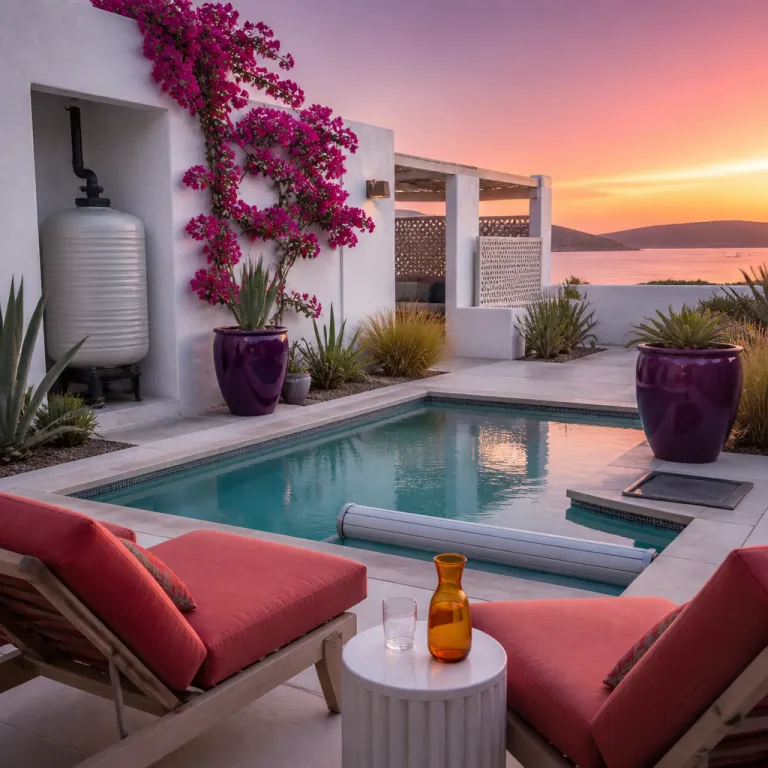
The hidden water footprint of adults-only island and desert luxury
Water shapes every indulgence at a water conservation luxury hotel island resort. A single adults-only infinity pool, a hydrotherapy spa circuit, and lush tropical landscaping can quietly consume far more water than the compact village beyond the resort gates. On a remote island or desert plateau, that footprint becomes a defining test of whether the hotel is genuinely sustainable or simply postponing a crisis.
On a typical island resort, adults-only guests use two to three times more water per night than mainstream travelers. Long rain showers, daily poolside towel changes, elaborate tasting menus, and immaculate beach clubs all draw on the same finite water source that local communities and fragile marine ecosystems also need. In the Maldives, the Greek islands, the south Pacific, and desert destinations such as the Red Sea coast, almost every luxury hotel now depends on desalinated water or imported supplies to keep the illusion of abundance alive.
Behind the scenes, the most responsible luxury hotel operators treat water as a scarce asset rather than an invisible utility. They map every liter used in rooms, kitchens, spas, pools, and staff housing, then redesign systems so that the same water is used several times before it leaves the property. For adults-only travelers choosing a private island hideaway or a waterfront resort in a dry region, understanding this hidden water story is as important as checking the sunset views or the wine list.
Engineering scarcity: how leading resorts make every liter count
On a well run water conservation luxury hotel island resort, technology does the heavy lifting while guests simply feel seamless comfort. Desalination plants turn ocean water into drinking water, greywater systems capture shower and basin flows for irrigation, and smart irrigation sensors keep gardens green with a fraction of the usual consumption. Data from properties such as Lady Elliot Island Eco Resort and Elements Hotel & Shops Curaçao shows that low flow fixtures alone can cut water use by around forty percent without compromising pressure.
Desert Islands Resort & Spa by Anantara in the Arabian Gulf, The Oasis at Death Valley in California, and Bucuti & Tara Beach Resort in Aruba all operate in climates where every drop matters. They combine desalination, rainwater harvesting where possible, and highly efficient laundry systems that can save millions of gallons each year, while still presenting a polished luxury hotel experience to adults-only guests. These properties echo the approach of next generation projects such as Rosewood AMAALA, where zero waste ambitions and renewable energy are matched by comprehensive water management in one of the world’s driest coastal regions.
For travelers comparing an island resort in the Maldives with a desert retreat, the underlying engineering may differ but the principles remain aligned. The best eco friendly hotels invest in back of house systems first, then layer in guest facing programs such as linen reuse and pool filtration upgrades that reduce chemical and water demand. If you are drawn to carbon neutral by design adults-only properties, resources such as the dedicated sustainability guide on carbon focused adults-only hotels can help you identify resorts where water conservation is built into the architecture, not added as an afterthought.
What guests see, what really matters, and how to read the signals
From the guest perspective, water conservation at a luxury hotel often appears as a polite card on the vanity asking you to reuse towels. Flow restrictors on rain showers, dual flush toilets, and discreetly timed irrigation around the beach paths are other visible cues that an island resort is thinking about scarcity. These touches matter, but they are only the surface of a much deeper operational story that defines whether your stay supports real conservation efforts.
Verified guidance from the sector is clear on the basics of hotel practice. “How do hotels in water-scarce areas conserve water? By implementing low-flow fixtures, desalination systems, and linen reuse programs.” “What role do guests play in hotel water conservation? Guests can participate in conservation programs and use water responsibly during their stay.” “Are water-saving measures common in luxury hotels? Yes, many luxury hotels adopt water-saving technologies to promote sustainability.” For adults-only travelers, the question is not whether a resort has these measures, but how seriously they are integrated into daily operations.
Before you check availability at a waterfront resort in the Maldives, the Caribbean, or the south Pacific, look for transparent reporting on water use and marine conservation. Independent labels such as Green Key now treat water as one of several core assessment chapters, with both mandatory and guideline criteria that go far beyond a simple towel program. A detailed guide to hotel sustainability certifications that genuinely mean something can help you separate marketing from substance, especially when comparing adults-only properties that share the same reef, the same beach, and the same stressed aquifer.
Islands, reefs, and the ocean: when water use meets marine conservation
Nowhere is the tension between indulgence and scarcity sharper than at a water conservation luxury hotel island resort surrounded by coral reef. Resorts in the Maldives, Sri Lanka, Fiji, and the wider south Pacific sit directly above marine life that depends on clean, cool water and healthy currents. Excessive extraction from shallow aquifers, poorly treated wastewater, or careless landscaping can push fragile reef systems past a tipping point that no spa treatment can reverse.
Leading adults-only properties now weave marine conservation into the core guest experience, rather than treating it as a side activity. At Soneva resorts in the Maldives, for example, in house marine biologists and visiting marine biologist researchers guide snorkeling trips that explain how reef restoration, marine reserve zoning, and efforts to reduce plastic waste all connect back to the water you use in your villa. Similar programs at resort Fiji properties and private island retreats in the Indian Ocean or south Africa pair marine life briefings with behind the scenes tours of desalination plants and wastewater treatment facilities.
Names such as Jean Michel Cousteau have become shorthand for a more serious approach to ocean stewardship, especially where a hotel operates next to a protected marine reserve. When you travel to an adults-only island resort that promotes eco credentials, ask how its conservation team monitors coral health, manages greywater, and supports local reef restoration projects. The most credible answers will link your sunset swim in the infinity pool directly to the long term survival of the coral reef just beyond the break.
How to choose a truly water-responsible adults-only escape
Selecting a water responsible adults-only hotel begins long before you arrive at the beach. When you check availability on a booking site, look beyond room size and spa menus to the sustainability section, paying close attention to water conservation and marine conservation commitments. Properties that publish clear data on consumption, desalination capacity, and wastewater treatment are usually more serious about long term resilience than those that rely on vague eco friendly slogans.
For a water conservation luxury hotel island resort in the Maldives, Sri Lanka, Fiji, or the Mediterranean, ask specific questions before you confirm. How is drinking water produced, and how does the resort reduce plastic by avoiding single use bottles ? What percentage of irrigation water is recycled greywater, and how is laundry optimized so that adults-only guests enjoy crisp linens without unnecessary washing cycles ? A hotel that can answer these points with confidence is more likely to protect both its private island image and the surrounding ocean.
Adults-only travelers planning peak season escapes to water stressed destinations can also consult curated round ups of sustainable properties. A guide to high season adults-only hotels that balance luxury with credible environmental practice will highlight resorts where conservation efforts are embedded in design, from shaded walkways that reduce cooling demand to native planting that cuts irrigation. Over time, choosing these island resort pioneers sends a clear signal that serenity, marine life protection, and responsible water use belong together in the same reservation.
FAQ
How much water does a luxury adults-only hotel typically use per guest ?
Luxury adults-only hotels on islands and in deserts often see guests using two to three times more water per night than standard properties. Pools, spas, landscaped gardens, and frequent linen changes all add to this footprint. On a remote island resort, that extra demand can strain desalination plants and local aquifers if not carefully managed.
Do linen reuse programs and low-flow fixtures really make a difference ?
Well designed low flow fixtures can reduce water use in rooms by around forty percent while maintaining comfort. Linen reuse programs cut the number of laundry cycles, which saves both water and energy at scale across hundreds of rooms. These guest facing measures work best when paired with efficient back of house systems such as modern laundry equipment and greywater recycling.
What should I ask a hotel before booking in a water scarce destination ?
Before you check availability, ask how the hotel sources its water and treats wastewater. Request information on desalination, greywater reuse, and any partnerships with marine biologists or conservation organizations. A transparent, specific response is a strong indicator that the resort takes long term water security seriously.
How can my stay support marine conservation around an island resort ?
Your choices can reinforce the work of marine biologists and conservation teams at the hotel. Join guided snorkeling or reef restoration activities, avoid single use plastics, and follow local guidelines for swimming near coral reef systems. Supporting properties that fund marine reserve management and publish conservation results helps protect marine life beyond your own visit.
Are eco friendly adults-only hotels less luxurious than traditional resorts ?
At a well run water conservation luxury hotel island resort, sustainability usually enhances the sense of ease rather than diminishing it. Smart irrigation, efficient cooling, and careful water management create quieter, more comfortable spaces with fewer intrusive systems. The most advanced eco friendly adults-only properties deliver high end service while quietly reducing their impact on scarce water resources.